
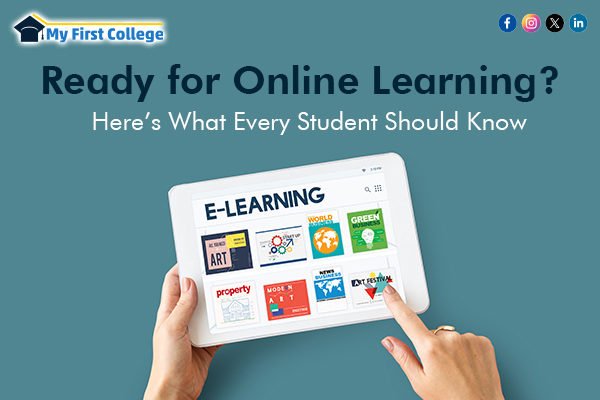
Ready for Online Learning? Here’s What Every Student Should Know
1. Understanding the Basics of Online Education –
Online learning has transformed the way students access education. This method offers flexibility and accessibility like never before. At its core online education uses the internet and technology, computers, tablets, or smartphones to deliver lessons, assignments, and assessments outside traditional classrooms. Programs range from short courses and certifications to full-fledged degrees, all accessible from anywhere with an internet connection.
Key components include interactive video lectures, discussion forums, e-books, assignments, and real-time or recorded classes. Many platforms use a learning management system (LMS) to organize resources and track student progress. Today, students can study online from anywhere, whether at home or on the move, thanks to growing advancements in digital education.
2. Essential Tech Requirements: What You Will Need –
To succeed in online learning, you need some essential tech tools and reliable internet. A laptop or desktop computer with a multicore processor and sufficient storage is ideal. Ensure your device has a webcam and microphone for virtual classes and discussions. A high-speed internet connection with a download speed of at least 25 Mbps ensures smooth video streaming and participation. Use updated browsers (Google Chrome is recommended) and have necessary software like Office 365. Optional accessories like a headset help improve audio quality. Setting up a quiet study space for online education and ensuring your tech is well maintained also contribute to effective online learning success.
3. Creating a Dedicated Study Space –
A dedicated study space is vital for effective online learning. Choose a quiet, well-lit area at home, preferably away from distractions. Set up a comfortable desk and chair to reduce fatigue during long study sessions. Keep only the essential laptop, chargers, headphones, and notebooks organized. Personalize your space with a clock, water bottle, and minimal décor to create a motivating environment. Ensure stable internet access and access to power outlets. Clear the area of clutter daily to maintain a productive atmosphere. This setup fosters better concentration, discipline, and learning efficiency during online education.
4. Time Management Is Key –
Effective time management is crucial for online learning success. Without set class times, you control your study schedule, making it essential to plan and prioritize tasks. Use digital tools like calendars or planners to track deadlines and set reminders. Break your workload into smaller tasks and allocate specific study books each day to avoid last-minute scrambling. Minimize distractions by studying in a quiet space and sticking to a daily routine. Take regular short breaks to stay focused and prevent burnout. Good time management during e-learning reduces stress, boosts productivity, and ensures you complete assignments on time, building important skills for both academics and life.
Know More About: Top IITs and IIM in India
5. Staying Motivated and Disciplined –
Maintaining motivation and discipline in online learning requires setting clear goals and sticking to a routine. Begin each day with a to-do list and tackle the most challenging tasks first. Minimize distractions by turning off unnecessary notifications and studying in a dedicated, organized space. Use digital reminders and accountability tools to keep track of assignments and deadlines. Stay engaged by participating in discussions and group work, which fosters a sense of community and responsibility. Regularly revisit your academic progress and adjust your strategies if needed. Building self-discipline and intrinsic motivation ensures consistent, effective learning and personal growth.
6. Engaging with Your Virtual Classroom –
Active participation is crucial for making the most of your virtual education and classroom experience. Log in on time and keep your video on when required to foster connection. Listen attentively and ask questions through chat or voice to clarify doubts. Join breakout sessions, polls, and group projects to collaborate with classmates. Take notes to reinforce learning and stay focused. Respond promptly to instructor prompts and participate in online forums. Respect digital etiquette by muting when not speaking and staying on topic. Consistent engagement helps build relationships, boosts understanding, and maximizes your learning outcomes.
7. Taking Advantage of Digital Resources –
To take full advantage of digital resources in online learning, students should utilize a variety of platforms and tools tailored to their needs. Platforms such as Unacademy and Toppr provide live classes, expert guidance, and adaptive learning paths. Managing studies is easier with digital tools like Google Classroom and calendar apps for organizing assignments and deadlines. Supplement learning with educational videos on YouTube and interactive quizzes. Accessing digital libraries, e-books, and forums enhances comprehension and connects learners globally. Combining these resources fosters flexible, engaging, and effective e-learning.
Know More About: Top Universities and Colleges in India
8. Common Challenges and How to Overcome Them –
1. Lack of Face-to-Face Interaction and Social Isolation – In remote learning, students often miss personal engagement with teachers and peers, leading to feelings of isolation and reduced motivation. To overcome this, join virtual study groups, discussions, and peer interactions through forums or group projects. Participate in live sessions or scheduled video calls to simulate classroom engagement, and take part in extracurricular online communities or social events organized by your institute.
2. Technical Issues – Problems like unstable internet, outdated devices, or unfamiliar platforms can disrupt classes and cause frustration. Students must ensure that they have access to a reliable device and high-speed internet; keep a backup internet solution if possible. They need to familiarize themselves with required platforms/tools and access tech support when needed.
3. Distractions and Short Attention Span - Home environments can present distractions—family, phones, social media—making sustained focus difficult. Students must set up a dedicated, clutter-free study zone and break sessions into focused study blocks with regular short breaks to maintain attention.
4. Time Management Problems - In virtual education, the absence of fixed class hours can lead to procrastination and missed deadlines. Students need to create and stick to a daily or weekly study schedule using planners or digital calendars, set specific goals and deadlines for assignments, and use reminders and alarms to stay organized.
5. Lack of Timely Feedback and Clarity - Remote learning may delay responses to queries, leading to a lack of clarity and unresolved doubts. Students should email instructors or post questions in class forums promptly, take advantage of virtual office hours or scheduled support sessions, and collaborate with peers to clarify doubts while waiting for instructor replies.
9. Conclusion –
Embracing online learning requires more than just access to technology; it demands self-motivation, adaptability, digital skills, and a proactive approach to challenges. By setting up a dedicated study space, managing time effectively, engaging actively in virtual classrooms, and leveraging digital resources, students equip themselves for success in the digital era. Facing hurdles like technical glitches, distractions, or isolation becomes manageable with the right strategies and a resilient mindset. Ultimately, understanding these essentials empowers every learner to thrive, not just academically but also in developing lifelong skills for an increasingly connected and technology-driven world.
To learn more about the various courses, entrance exams, and colleges, visit our site for the latest update. We specialize in education-related content. To learn about B.Tech vs BCA vs B.Sc IT: Which Tech Course is Best After 12th Future of Learning: Hybrid, Online, or In-Person, Modern Education System in India and more, visit our site.
Frequently Asked Questions(FAQs)
Q.1 What are the basic requirements for online learning?
You will need a stable internet connection, a device like a laptop or tablet, and access to learning platforms or apps used by your school or institution.
Q.2. How can I stay motivated while studying online?
Set clear goals, create a daily routine, and take regular breaks. Stay engaged by interacting with classmates and participating in discussions.
Q.3. What are the best practices for effective time management?
Use planners or digital calendars, prioritize tasks, and avoid multitasking. Break assignments into smaller steps and set deadlines.
Q.4. How do I interact with teachers and peers in a virtual classroom?
Use chat features, discussion boards, video conferencing, and email to ask questions, share ideas, and collaborate on group tasks.
Q.5. How can I avoid distractions at home?
Study in a quiet, designated space. Turn off non-essential notifications and inform family members of your schedule to minimize interruptions.
Q.6. What should I do if I face technical issues?
Keep contact details for tech support handy. Try basic troubleshooting like restarting your device or updating apps. Inform your instructor if delays occur.
Read Also:
Mangalayatan University Jabalpur Madhya Pradesh
Sikkim Professional University
Frequently Asked Questions
-
What are the basic requirements for online learning?
-
How can I stay motivated while studying online?
-
What are the best practices for effective time management?
-
How do I interact with teachers and peers in a virtual classroom?
-
How can I avoid distractions at home?
-
What should I do if I face technical issues?
Top Courses
Updates
-

Part Time MBA Programs in India - Unlimited guidelines 2023
September 09, 2022 -

Can I Pursue a Part Time B.Tech after Getting My Diploma?
September 09, 2022 -

7 Best Universities Offering Part-time M.Tech
September 05, 2022 -

Best Part-time B Tech University/ Colleges In India?
June 28, 2022